If your circuit breaker keeps tripping, it’s your electrical system’s way of alerting you that something isn’t right. While it can be frustrating, this safety feature is crucial for preventing overheating, electric shocks, and even fires. Frequent trips indicate an underlying issue that needs attention, whether it’s an overloaded circuit, a faulty appliance, or damaged wiring. Ignoring these warnings can put your home and family at risk, so understanding why breakers trip and knowing the safe next steps is essential.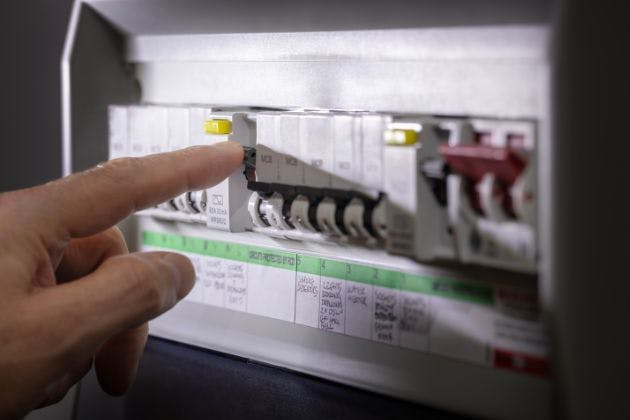
How circuit breakers protect your home
Your consumer unit (often called the fuse box) contains circuit breakers and RCDs that constantly monitor the flow of electricity. When they detect a problem, they switch off the power to protect you and your property.
Occasional tripping can happen, especially during heavy use, but repeated trips are a warning sign. Understanding the likely causes helps you take safe next steps and know when to stop resetting and call a professional.
Quick safety checks before you touch the consumer unit
Before you reset anything, take a moment to look and listen around the affected area. You are checking for clear danger signs that mean you should not attempt to restore power.
Look for scorch marks on sockets, plugs or the consumer unit
Listen for buzzing, crackling or sizzling sounds
Smell for burning plastic or fishy odours near electrical points
Check for damp, leaks or water around sockets or appliances
If you notice any of these, or if part of the consumer unit feels very hot, do not reset the breaker. Turn off the main switch if safe to do so and call a qualified electrician immediately.
Simple decision tree: reset or call an electrician?
Use this basic flow to guide your next move.
1. First trip and no danger signs? If the breaker has tripped once, there are no smells, noises, water or visible damage, and you know you had several high‑power items on, it is usually acceptable to reset the breaker once.
2. Trips again straight away or within minutes? Stop resetting. This points to a fault in the wiring, a damaged cable, or a faulty appliance, not just a one‑off overload.
3. Any burning smell, heat, sparks or water ingress? Do not reset at all. Turn off the main switch if safe, keep clear of the area and call an electrician straight away.
4. RCD won’t stay on but breaker handles look fine? This can suggest an earth leakage problem, often linked to moisture or a faulty appliance. Unplug suspect appliances before one final reset attempt; if it still trips, call a professional.
Common reasons your circuit breaker keeps tripping
Overloaded circuit: too many appliances at once
Kitchen and utility room circuits often work hardest. Kettles, toasters, tumble dryers and portable heaters all draw a lot of current. If several are used together on the same circuit, the breaker can rightly trip to prevent overheating.
Try moving some appliances to a different socket on another circuit and avoid multi‑way adaptors for heavy‑load items. If overloading is frequent, you may need additional circuits installed by an electrician, especially in busy kitchens or home offices.
Faulty appliance: how to isolate it safely
Sometimes the wiring in an appliance fails and starts to leak current or short internally. This can repeatedly trip a breaker or RCD whenever that appliance is in use.
To check safely, switch off the tripped breaker, then unplug all appliances on that circuit. Do not dismantle anything or remove covers. Reset the breaker once, then plug items back in one at a time, using them normally. If the breaker trips when a particular appliance is plugged in or turned on, stop using it and have it checked or replaced.
Short circuit or damaged cable
A short circuit happens when live and neutral meet in a way they should not, often because of damaged insulation or a crushed cable. This usually causes an instant trip, sometimes with a pop or spark at the point of damage.
Common causes include nails or screws through cables in walls, trapped flexes under furniture, or damaged extension leads. If you suspect any of these, or see visible cable damage, leave the breaker off and arrange a professional fault‑finding visit.
RCD nuisance tripping and outdoor electrics
RCDs are designed to trip when they detect very small leakages of current to earth. While that protection is essential, certain conditions can trigger repeated trips that feel like a nuisance.
Outdoor sockets, garden lighting and pond pumps are frequent culprits, especially in wet weather. Moisture inside fittings or flexes can cause small earth leakages that build up and trip the RCD. Unplug outdoor equipment, dry off what you can reach safely, then try a single reset. If the RCD still trips, or if water has clearly entered a socket or fitting, keep it off and call an electrician.
Ageing breakers, poor connections and new high‑load devices
Older consumer units and breakers can become less reliable over time. Loose or poor connections inside accessories and at the consumer unit can also create heat and intermittent tripping that comes and goes.
Adding new long‑running loads such as EV chargers, hot tubs, electric showers or heat pumps can push older installations beyond their original design. If your breakers started tripping more often after an EV charger or other big appliance was installed, your system may need upgrading or reconfiguring rather than simply "putting up with" trips.
What a professional electrician will check
A proper fault‑finding or inspection visit is methodical, using specialist test equipment to pinpoint issues you cannot see. This allows the electrician to confirm whether the problem lies with an appliance, the wiring, or the protective devices themselves.
Insulation resistance tests to identify damaged or damp cables
RCD trip time tests to confirm your RCDs operate quickly enough
Thermal checks on connections and breakers for hotspots
Circuit load checks to see if any circuits are regularly overloaded
They may also test the earthing and bonding arrangements and verify that your consumer unit meets current safety standards, especially if it is an older model with rewirable fuses or no RCD protection.
Paperwork and longer‑term solutions
After fault‑finding or an electrical inspection, you should receive written results. For a full check of the installation, this is usually an Electrical Installation Condition Report (EICR) that lists observations, test readings and recommended remedial work.
If parts of your system are outdated or repeatedly tripping, one recommended solution may be upgrading the consumer unit to a modern board with properly rated breakers and RCD or RCBO protection. This should be explained clearly, with options and pricing, rather than presented as the only answer.
Need calm, expert help with tripping breakers?
If your breaker will not stay on, keeps tripping without an obvious overload, or you have any burning smells, heat or signs of water, do not keep resetting it. Your next safe step is to have the issue assessed by a qualified electrician.
Inspired Smart Living Ltd can carry out fault‑finding, inspections and consumer unit upgrades as part of our electrical services, helping you restore power safely and reduce the risk of future trips. To book a visit or discuss what is happening in your home, call 01303647340 and speak to the team at Inspired Smart Living Ltd.
EndFragment