
If your lights keep tripping or you’re planning to install an EV charger, induction hob, or smart home system, your current consumer unit might not be able to handle the extra load safely. Recognising the warning signs early can prevent electrical faults, reduce fire risk, and ensure your home’s wiring meets modern safety standards. Upgrading your consumer unit now means safer, more reliable power for all your needs – don’t wait until a problem strikes.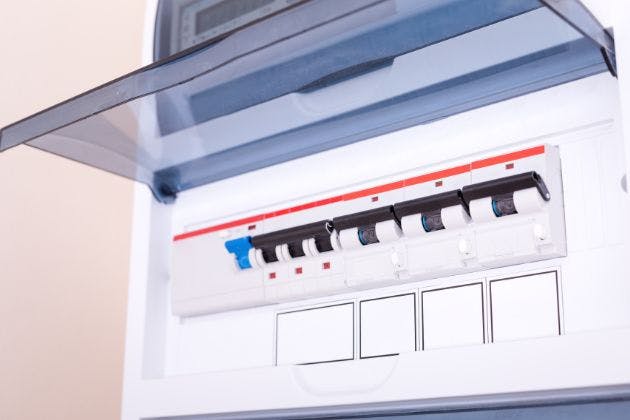
What a consumer unit actually does
A consumer unit is the modern name for what many people still call a fuse box. It is the central point that takes electricity from the supply and distributes it safely around your home.
Inside, you will usually find protective devices for each circuit, such as the sockets, cooker, lights and shower. These devices are designed to cut the power if there is a fault, helping to prevent electric shock and electrical fires.
7 clear signs you need a consumer unit upgrade
Some issues are a minor nuisance, while others are serious safety concerns. If you spot any of these, it is time to speak to a qualified electrician.
Frequent tripping of breakers, especially without a clear cause
Signs of heat, burning smells or scorch marks around the unit
Old-style fuse wire or very dated metal or wooden fuse boxes
No RCD protection or very limited modern safety devices
1. Circuits that trip again and again
If your power keeps cutting out, especially when you use multiple appliances, your consumer unit may be struggling. It could be reacting to an underlying fault, overloaded circuits or poor-quality older protection.
While an occasional trip can be normal, frequent tripping is a sign your system needs investigation and possibly an upgrade to handle modern loads safely.
2. Burning smells, heat or scorch marks
Any smell of burning plastic, visible scorch marks or a consumer unit that feels hot to the touch is an urgent red flag. This can indicate loose connections, overloaded parts or failing components.
Safety warning: Do not open the consumer unit yourself. If you smell burning or see heat damage, turn off the main switch if it is safe to do so and call a qualified electrician immediately.
3. Old fuse wire instead of modern breakers
If you still have rewireable fuses with bits of fuse wire, your installation is likely many decades old. These systems are harder to reset and do not offer the same level of protection or convenience as modern circuit breakers.
Age alone does not mean something is unsafe, but older fuse boxes often lack key safety features and are not designed for today’s electrical demands.
4. No RCD protection on sockets or key circuits
RCDs (residual current devices) are designed to trip quickly if they detect an imbalance in the current, such as when someone touches a live part. Many older consumer units have no RCD protection at all.
Modern regulations expect RCD protection on most circuits, especially socket outlets and outdoor supplies. If yours has none, or only one RCD covering the whole house, a modern upgrade can greatly improve safety.
5. Buzzing, crackling or humming noises
A faint mechanical hum from some equipment can be normal, but any obvious buzzing, crackling or sizzling from your consumer unit is not. These noises can be linked to loose connections, damaged breakers or poor-quality components.
This is another situation where you should avoid opening the unit and instead arrange a professional inspection as soon as possible.
6. ‘DIY’ additions and messy wiring
If you can see random cables entering the consumer unit, unlabeled circuits or signs that previous owners have added things themselves, it is worth getting it checked. Poor-quality DIY work is a common cause of electrical faults.
A consumer unit upgrade is often combined with tidying and reconfiguring circuits to bring everything back in line with current standards.
7. Not enough spare ways for new circuits
Planning an EV charger, induction hob, home office, extension or smart home upgrade? These usually need dedicated new circuits and, ideally, individual modern protection.
If your existing board is full or nearly full, your electrician may recommend a larger new consumer unit so it can safely handle your future plans as well as your existing circuits.
How modern protection devices help keep you safe
Modern consumer units typically use a mix of RCDs and RCBOs. An RCD protects several circuits at once against electric shock, while RCBOs combine RCD and overload protection in one device for individual circuits.
Using RCBOs can mean fewer nuisance trips, because a fault on one circuit will not take out half the house. Your electrician may also suggest surge protection devices, which help protect sensitive electronics and smart home equipment from voltage spikes.
What an electrician checks before recommending an upgrade
A proper assessment starts with a visual inspection of your consumer unit, meter tails, main switch, and the general condition of cabling that is visible. The electrician will look for signs of damage, age, overheating and any obvious non-compliant work.
They will also carry out tests to check insulation resistance, earth fault loop impedance and RCD trip times. Correct earthing and bonding to gas and water services is checked too, as this is essential for electrical safety.
In some cases, tests may show the existing wiring is in poor condition. If that happens, your electrician may recommend a partial or full rewire to go alongside the new consumer unit so you are not fitting modern protection to unsafe cabling.
What to expect during a consumer unit upgrade
Upgrading a consumer unit is a controlled, methodical job. For a typical house, the work usually takes most of a day, although more complex installations can take longer, especially if extra testing or remedial work is needed.
Your power will need to be turned off for several hours while the old unit is removed, circuits are identified and labelled, and the new consumer unit is fitted and wired. Once installed, your electrician will test each circuit thoroughly before turning the power back on.
At the end of the job, you should receive an Electrical Installation Certificate and, where required, notification under the local building regulations. Keep this paperwork safe, as it can be useful for home insurance, future electrical work and when you come to sell your property.
Short FAQ on consumer unit upgrades
What is the difference between an RCD and an RCBO?
An RCD protects against electric shock by monitoring the balance of current and tripping if it detects leakage to earth. An RCBO does the same job but also includes overcurrent and short circuit protection for a single circuit, so a fault affects less of your home.
Can my old fuse box just be upgraded rather than replaced?
In most cases, the safe and sensible option is to replace an old fuse box with a new consumer unit, rather than modifying the old one. This allows modern protective devices, a better layout and compliance with current wiring regulations.
Will the power be off for a long time during work?
Yes, the main power must be off while the electrician is working inside the consumer unit. For a straightforward upgrade, expect several hours of downtime, usually within a single day, and your electrician should discuss the timing with you in advance.
Next steps if you are concerned about your consumer unit
If you have noticed tripping, buzzing, signs of heat, or you are planning an EV charger, induction hob, extension or smart home system, it is sensible to get professional advice before going ahead. Never attempt to open or work on a consumer unit yourself.
To discuss a consumer unit upgrade, or how it fits with EV charging or smart home installations in your property, contact Inspired Smart Living Ltd on 01303647340 and speak to a qualified electrician about the safest way forward.