
Smart thermostats promise lower energy bills, improved comfort, and convenient control from your phone or tablet. But to enjoy these benefits in a typical Kent home—whether in Hythe, Folkestone, Canterbury, or Ashford—you need more than just the marketing on the box. The smart thermostat setup must be carefully matched to your existing heating system, wiring, and Wi‑Fi reliability. Without the right compatibility checks and professional installation, you risk poor performance, unreliable control, or even electrical issues. Ensuring your system is prepared is key to unlocking the full potential of smart heating technology.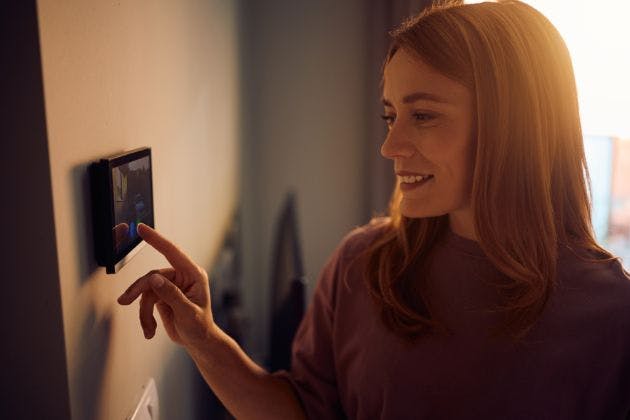
What a smart thermostat can and cannot do
A good smart thermostat lets you control your heating from an app, create flexible schedules and often track your energy use. Many also use features like geolocation or occupancy sensors to turn the heating down when no one is at home.
What they cannot do is fix a poorly designed or faulty heating system. If your boiler is oversized, your radiators are unbalanced, or your insulation is poor, a smart control will only go so far. It is a control device, not a replacement for heating upgrades or proper maintenance.
Checking your heating system and wiring first
Before buying anything, it is worth understanding what you already have. An electrician or heating engineer will usually start by looking at the type of boiler or heating, the current controls, and how the wiring has been run.
In the Hythe, Folkestone, Canterbury and Ashford area, the most common set-ups are gas or oil boilers with wired wall thermostats and programmer timers, but there are important variations that affect compatibility.
Boiler controls versus electric heating
Most mainstream smart thermostats are designed for wet central heating systems with a gas, oil or system boiler. They typically replace your existing room thermostat and programmer, or they connect to them through a receiver near the boiler.
If you have electric panel heaters, storage heaters or underfloor heating, the picture is different. Some of these need purpose-designed smart controls or separate relays, and in some cases multiple thermostats to manage each zone safely.
Check if you have a combi, system or heat-only boiler
Note any existing programmers, timers or wireless stats
Confirm whether radiators, underfloor or electric heaters are in use
Ask if any rooms already run on separate heating zones
Zoning and multi-room control
Many homes in Kent have a single thermostat controlling the whole house. A smart thermostat can improve how that single zone is managed, but it will not magically create separate controllable areas unless the system is already zoned or is upgraded.
If your property has upstairs and downstairs zones, or underfloor heating on its own circuit, you may need more than one smart control. An electrician can advise whether extra wiring or control boxes are needed to keep everything working safely and logically.
Existing wiring and fused spurs
Older properties often have thermostat wiring that is not suitable for a direct swap. Some smart thermostats need a permanent live and neutral, while older stats only had a simple switched circuit. In that case, new wiring may need to be run from a safe power source.
If a fused spur is required to power the thermostat or hub, it must be installed correctly and to regulations. This is one of the points where a qualified electrician is strongly recommended rather than DIY.
Wi‑Fi reliability and hub location
Smart heating controls rely on a solid network connection. If your router is at one end of the house in Folkestone and your boiler controls are at the other, the signal may be weak or unreliable. That can mean missed commands or the app showing the wrong status.
Ideally, the hub or controller should be within good Wi‑Fi range or wired back to your router. In some cases, adding a dedicated access point or improving your home networking gives more benefit than the thermostat upgrade alone.
Choosing the right place for the thermostat
The thermostat’s location affects both comfort and accuracy. It should be on an internal wall, away from direct sunlight, draughts, radiators and appliances that generate heat. Hallways can work, but only if they reflect how the rest of your home is used.
If you are moving from an old wired stat to a wireless one, ask your installer to help pick a sensible new location. In homes around Canterbury and Ashford, we often find thermostats next to front doors or in cold porches, which leads to the boiler overworking.
When you should involve a qualified electrician
Some simple plug-in smart thermostats are marketed as DIY friendly, but many installations involve work that falls firmly into an electrician’s skill set. Getting it wrong can damage your boiler or create safety risks.
You should bring in a qualified electrician if any of the following apply: new wiring runs are needed, a fused spur must be added or altered, you are integrating controls with underfloor or electric heating, or you are linking the thermostat into a wider smart-home or networking system.
A simple decision framework before you buy
Before picking a thermostat, it helps to work through a few key questions. This can save you from buying a product that does not suit your home in Hythe, Folkestone, Canterbury or Ashford.
First, confirm your heating type and the number of zones. Second, check the wiring at your current thermostat and boiler or wiring centre, preferably with photos. Third, think about where the hub and thermostat will live in relation to your Wi‑Fi coverage.
Questions to ask your installer
When you speak to an electrician or smart-home installer, go in with a clear list. Ask whether your current wiring can support the thermostat you are considering, and whether you need a new fused spur or control box.
It is also sensible to ask how the controls will behave if the Wi‑Fi goes down, and what app or ecosystem they will use. Finally, check if future integrations with lighting, security or voice assistants will be straightforward or require extra hardware.
Common mistakes to avoid
From an electrician’s perspective, the most frequent problems come from small but important oversights. Placing the thermostat in a poor location leads to uneven temperatures and frequent cycling, which is uncomfortable and wasteful.
Other common issues include a weak Wi‑Fi signal between the hub and router, mixing incompatible systems, such as different smart brands fighting over the same boiler, and leaving old programmers active so they clash with the new schedule. Taking time to plan the set-up before switching on avoids most of these headaches.
Linking smart thermostats into wider home scenes
A smart thermostat really comes into its own when combined with the rest of your home technology. Many systems can be tied into scenes or modes that adjust heating, lighting and security together.
For example, an “away” mode can lower the heating, turn off selected lights and arm your security devices when you leave. A “night” scene might reduce bedroom temperatures while dimming lights and locking smart locks. Integrating things properly keeps control simple instead of juggling multiple apps.
Next steps for homeowners in Hythe, Folkestone, Canterbury and Ashford
If you are considering a smart thermostat, start by noting your current heating set-up, thermostat position and Wi‑Fi coverage. With that information, an electrician-led assessment can quickly show what is feasible and which products will suit your home.
Inspired Smart Living Ltd offers smart-home and home networking services across Hythe, Folkestone, Canterbury and Ashford, including site assessments to check compatibility, wiring and Wi‑Fi before you buy. To talk through your options or arrange a visit, call Inspired Smart Living Ltd on 07971857475 or contact us via our smart home and home networking service page.